Change the time
A younger child might work for 15 seconds and then march gently while an older child continues for 30 seconds.
One PE time, more than one ability level
A good mixed-age workout gives siblings a shared activity without expecting identical speed, strength, or coordination. BodeeFit pairs one family routine with age-aware directions so children can move together at an appropriate level.
Scale the challenge, not the child’s worth
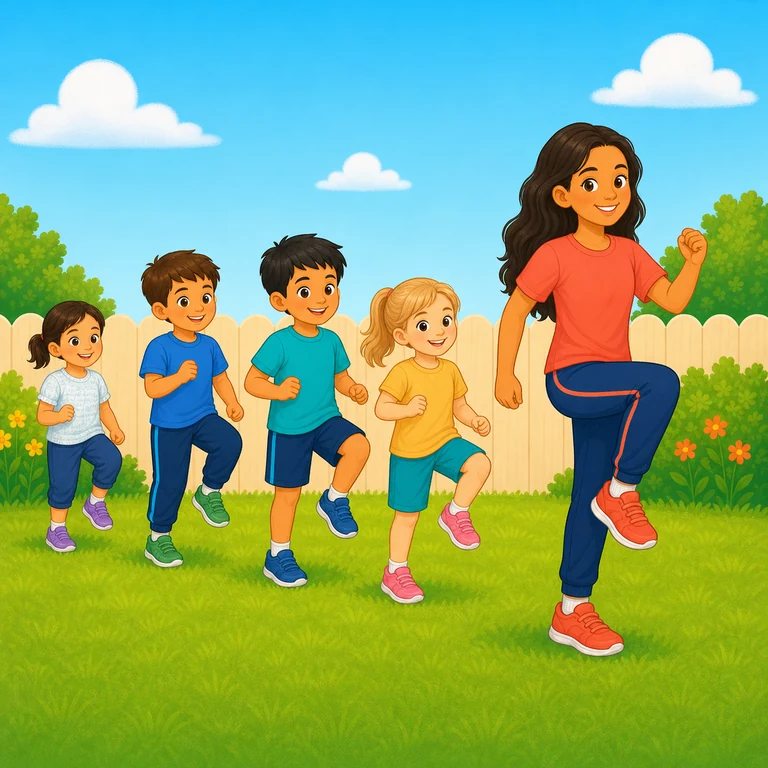
Family PE works best when effort and safe technique matter more than winning. Instead of changing the entire lesson for each child, change one variable while everyone practices the same general movement.
A younger child might work for 15 seconds and then march gently while an older child continues for 30 seconds.
One child can use a shallow squat to a chair while another uses a deeper, controlled squat with feet planted.
Use wall push-ups, hands-elevated push-ups, knees-down push-ups, or standard push-ups as parallel choices.
Older children can use an appropriate band while younger children practice the motion without a band or with lighter resistance.
Better sequencing
Exercise order matters as much as exercise choice. Burpees followed immediately by push-ups loads the upper body twice while the heart rate is already high. A more thoughtful routine places a coordination, lower-body, mobility, or recovery activity between demanding movements that use similar muscles.
BodeeFit’s routine selection uses movement families and recent choices to reduce duplicates and avoid unhelpful back-to-back combinations. Warmups appear before the main block, quick rests provide recovery, and the session finishes with easier movement and multiple stretches.
Shared movement, individual choices
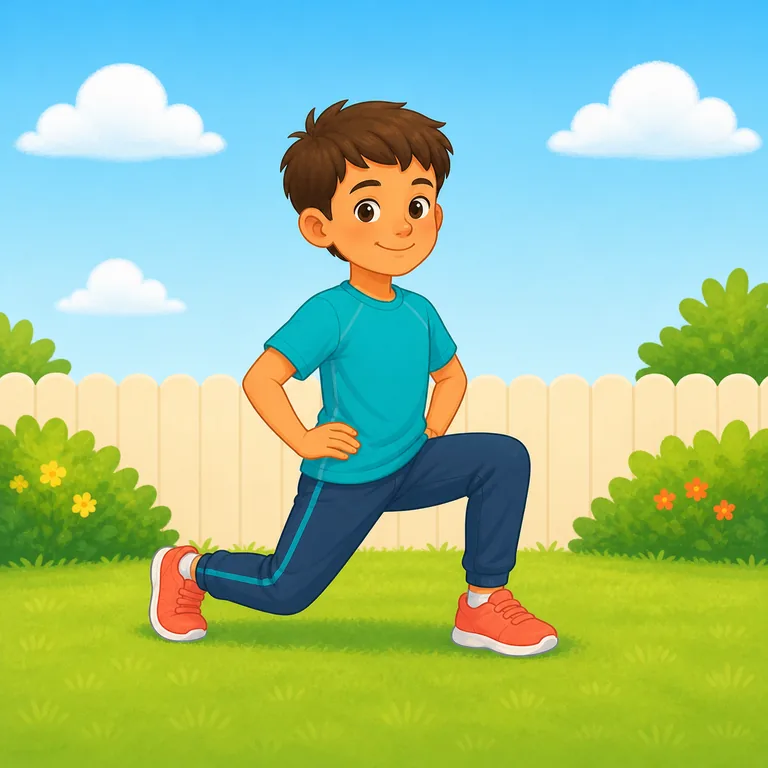
Younger: hold a wall or chair and use a small split-stance bend. Older: alternate controlled reverse lunges without rushing.
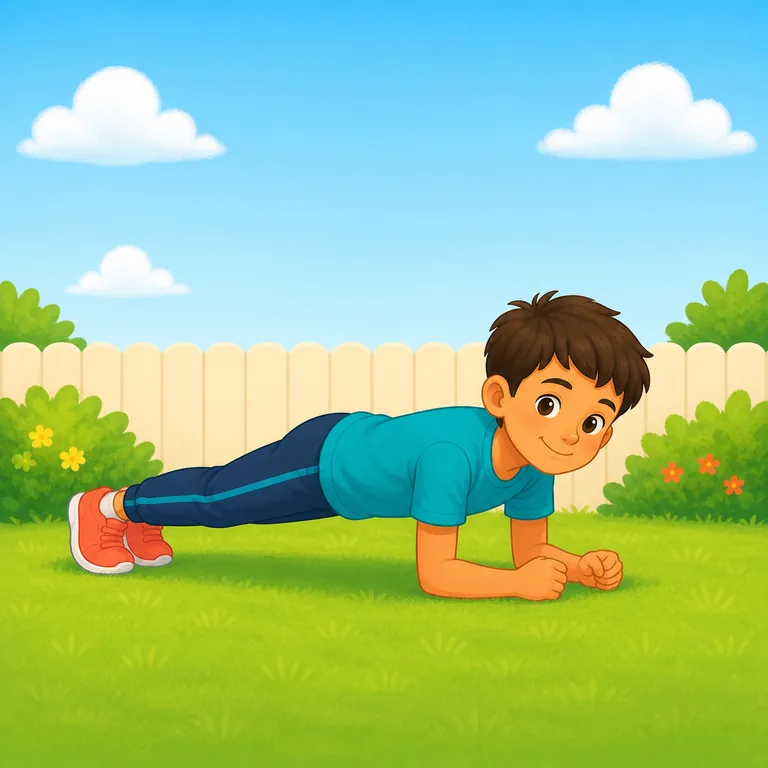
Younger: hands on a stable elevated surface. Older: floor plank for a brief interval while maintaining a straight, comfortable position.
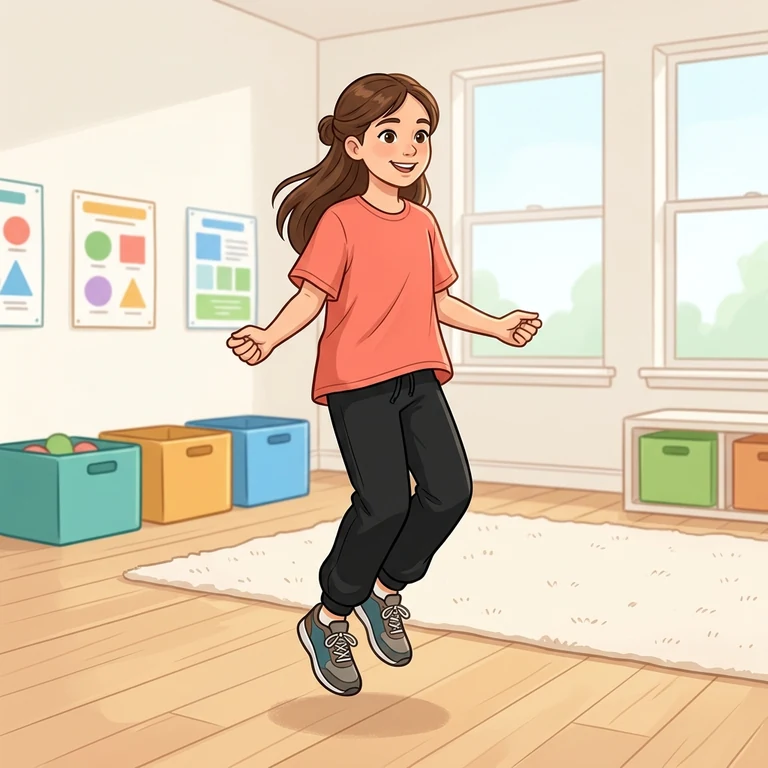
Younger: turn imaginary handles while stepping side to side. Older: use light two-foot bounces if space and joints allow.
Keep the tone positive
Describe the goal of the movement, then offer two or three versions without labeling one as the “good” version. Phrases such as “choose the level where you can stay in control” help children notice their own form. Avoid using an older sibling’s repetitions as the target for everyone else.
Timed activities allow the family to begin and finish together even when repetition counts differ. Praise focus, safe choices, persistence, and improvement. If a child needs a break, use gentle marching, water, or rest instead of turning the pause into a punishment.
Games are especially useful for mixed ages because success can involve listening, creativity, reaction time, and teamwork—not only strength or speed. Follow the Leader, Mirror Mirror, Simon Says, dance prompts, and simple obstacle courses all allow natural variation.
Common questions
They can share many playful movement activities with close adult supervision, but the younger child needs simpler directions, shorter intervals, and movements appropriate to their development. Participation should stay playful rather than intense.
No. Band resistance should match the individual child and movement. Children must be able to control the band through the full motion without jerking, straining, or losing posture.
Choose cooperative goals, dance, mirror movements, personal-best challenges, or a circuit where each person works at an individual pace.
Move together
Select mixed-age difficulty, choose your available time and equipment, and let BodeeFit create an ordered session with voice guidance and younger-child directions.
Start a free family workout